
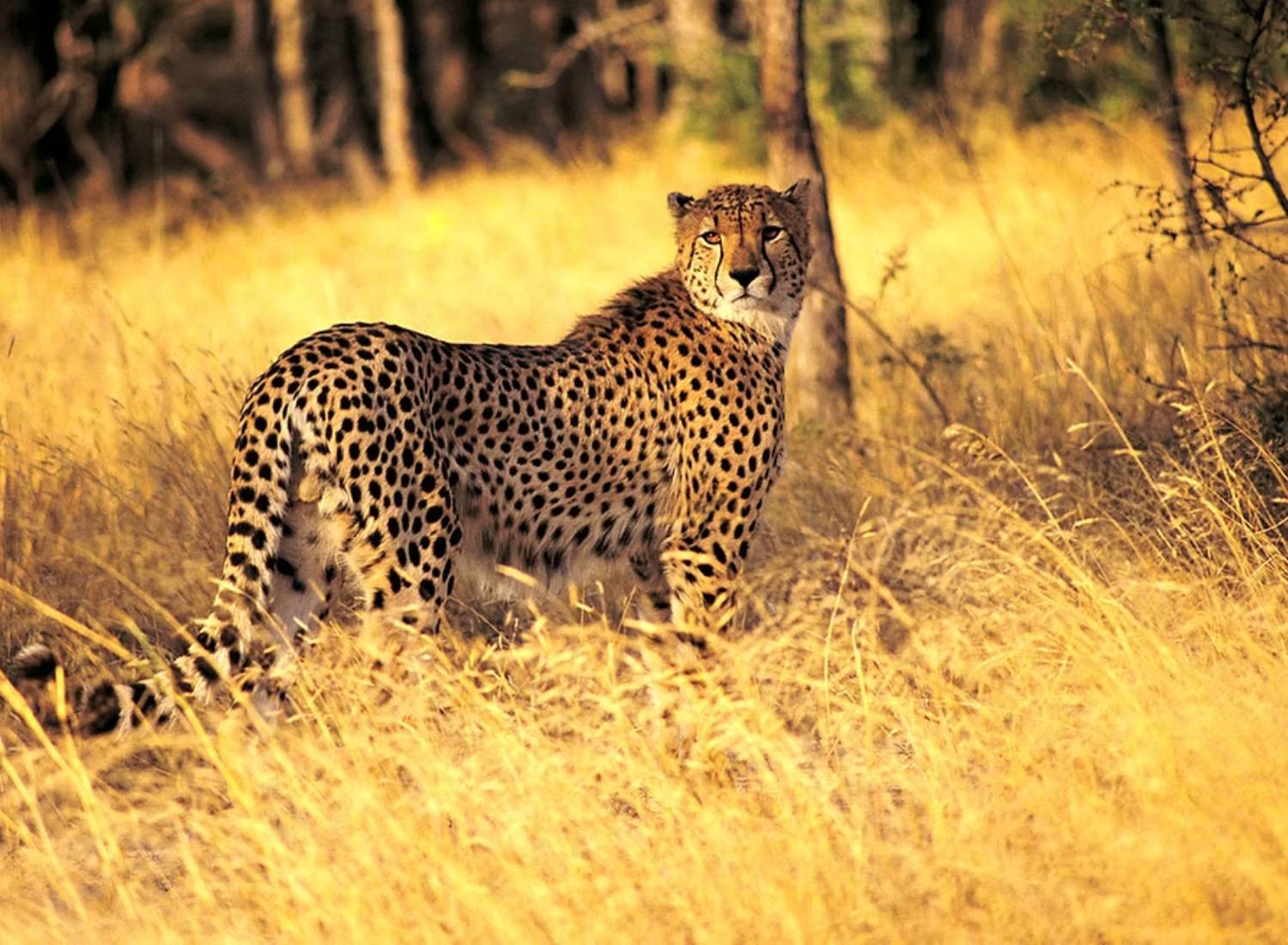
The best way to experience the Masai Mara is often outside the national reserve. The conservancies that surround it are privately managed wildlands, leased from Maasai landowners, where vehicle numbers are capped, night drives and walking safaris are allowed, and every visit helps pay the families who share their land with wildlife.
This guide covers ten of the top Masai Mara conservancies, what each is known for, and who it suits best.
Key Takeaways: Masai Mara Conservancies at a Glance
| Conservancy | Best For | Standout Feature |
|---|---|---|
| Mara North | First-time conservancy visitors | Wide choice of luxury camps and strong big cat sightings |
| Olare Motorogi | Honeymooners and privacy seekers | Very low visitor density and some of the Mara’s most exclusive camps |
| Naboisho | Predators and walking safaris | Lion and cheetah sightings, plus night drives and guided walks |
| Ol Kinyei | Quiet, boutique stays | Small and intimate, with low vehicle numbers |
| Olderkesi | Off-the-beaten-path travellers | Remote eastern location with open plains and escarpment views |
| Lemek | Culture and families | Open grasslands and Maasai-linked camps |
| Ol Choro Oiroua | Migration-season visits | Quieter alternative close to the Mara River system |
| Enonkishu | Conservation-minded travellers | Livestock and wildlife sharing the same managed land |
| Nashulai | Authentic cultural experiences | Maasai-led community conservancy |
| Olarro | Scenic luxury stays | A few high-end camps and dramatic hill and valley scenery |
What Is a Masai Mara Conservancy?
A Masai Mara conservancy is a community-owned or community-partnered area bordering the Masai Mara National Reserve. Maasai landowners lease their land to tourism operators and agree to limit livestock grazing and development in return for a guaranteed, regular income. The model keeps migration routes open, protects habitat, and gives local families a direct stake in conservation.
For travellers, the benefits are practical:
- Fewer vehicles. Most conservancies restrict camp bed numbers and game-viewing vehicles at sightings, so you are not queuing with a dozen other cars.
- More freedom. Many allow off-road driving for key sightings, night drives, and guided bush walks, which are generally not permitted inside the national reserve.
- Meaningful impact. Conservancy fees fund land leases, anti-poaching teams, schools, and clinics.
1. Mara North Conservancy
One of the largest conservancies in the region, Mara North sits on the northwestern edge of the reserve and is a key part of the Greater Mara ecosystem. It is known for strong big cat populations and for hosting a wide spread of camps, from intimate tented camps to larger luxury lodges. It is a strong all-round choice if you want variety and a long game-viewing season.
Best for: First-time conservancy visitors and travellers who want a choice of luxury camps.
2. Olare Motorogi Conservancy
Olare Motorogi is often regarded as one of the most exclusive conservancies in the Mara, with very low tourism density and some of the most celebrated luxury camps in Kenya. Its open plains and riverine woodland are well known for lion, cheetah and leopard sightings. Strict limits on camp beds mean quiet, uncrowded game drives.
Best for: Honeymooners and travellers who want maximum privacy and high-end camps.
3. Naboisho Conservancy
Naboisho borders the reserve to the northeast and is widely praised as a wildlife hotspot, particularly for lions and cheetahs. It is also one of the most active conservancies for guided walking safaris and night drives. Its Maasai landowner base is large, so lease payments reach many families.
Best for: Predator sightings, walking safaris, and travellers who want a strong community story.
4. Ol Kinyei Conservancy
A smaller conservancy neighbouring Naboisho, Ol Kinyei offers a quieter, more intimate feel. Its mix of grassland and acacia woodland supports plains game and predators, and visitor numbers stay low. Its small scale means a camp stay here feels personal and unhurried.
Best for: Travellers who prefer a quiet, boutique experience.
5. Olderkesi Conservancy
Olderkesi lies to the east of the main reserve toward the Tanzanian border, giving it a wilder, less visited character. Its landscapes include open plains and escarpment views, and its location is useful for travellers combining the Mara with other Kenyan destinations.
Best for: Off-the-beaten-path travellers who want space and scenery.
6. Lemek Conservancy
Lemek, in the north of the Mara ecosystem, is known for open grassland, large herds of plains game, and cultural experiences, with several Maasai-owned and community-linked camps. It offers a strong chance to combine wildlife with time spent learning about local traditions.
Best for: Culture-focused travellers and families.
7. Ol Choro Oiroua Conservancy
Ol Choro Oiroua lies in the northern Mara, close to the reserve boundary and to the Mara River system. It is valued for its quieter pace and for the wildlife that moves through the area during the seasonal migration period.
Best for: Travellers timing a trip around the migration who want an alternative to the busiest areas.
8. Enonkishu Conservancy
Enonkishu is recognised for its work on integrating livestock and wildlife through managed grazing, showing that herders and wildlife can share the same land. It offers a different angle on conservation, one focused on land management and community livelihoods as much as game viewing.
Best for: Travellers interested in the conservation story behind the safari.
9. Nashulai Maasai Conservancy
Nashulai is notable as a Maasai-led community conservancy, with a strong focus on cultural heritage alongside wildlife protection. Staying or visiting here puts you in direct contact with the people whose stewardship keeps the Mara wild.
Best for: Travellers who want an authentic, community-led cultural experience.
10. Olarro Conservancy
Olarro sits on the southern side of the Mara ecosystem, on the edge of the reserve. It is known for a small number of high-end camps and for dramatic scenery that includes hills and wooded valleys. Low guest numbers keep game viewing private.
Best for: Luxury travellers who want a scenic, exclusive base.
How to Choose the Right Conservancy
- Want maximum exclusivity? Look at Olare Motorogi and Olarro.
- Want predators and walking safaris? Consider Naboisho.
- Want culture and community? Choose Lemek or Nashulai.
- Want variety and choice of camps? Mara North is a safe bet.
- Want quiet and space? Try Ol Kinyei or Olderkesi.
Many of our guests combine a conservancy stay with a few days inside the national reserve, which gives them the best of both worlds, including the Mara River crossings during the Great Migration season, typically from July to October.
Best Time to Visit the Mara Conservancies
Wildlife viewing is good year-round, but the dry months from late June to October bring the Great Migration and generally the best game viewing. January to February is also excellent, with calving season on the plains and fewer visitors. The long rains in April and May are the quietest period, with lower rates.
Why choose a conservancy over the national reserve?
| Feature | Conservancy | National Reserve |
|---|---|---|
| Crowds | Capped vehicle and bed numbers | Higher visitor volume |
| Activities | Night drives, walking safaris, off-road viewing for key sightings | Mostly daytime drives on tracks |
| Community impact | Fees pay Maasai landowners directly | Revenue goes to county authorities |
| Best season | Year-round; peak July to October | Year-round; peak July to October |
Frequently Asked Questions
Are the Masai Mara conservancies worth it? Yes. Conservancies offer fewer vehicles, more flexible activities such as night drives and walking safaris, and a direct benefit to local landowners. They are a popular choice for luxury and privacy-focused safaris.
What is the difference between the Masai Mara National Reserve and a conservancy?
Local county authorities manage the reserve, and it welcomes a high volume of visitors. Private operators run conservancies on land they lease from Maasai landowners, and they limit visitor numbers while allowing more activities.
Do I need to pay conservancy fees?
Yes. Conservancies charge a fee per person per night, and that money funds land leases and local programmes. Your safari operator will include the fees in your quote.
Can I see the Great Migration from a conservancy? Herds spread across the wider Mara ecosystem during the migration season, and the northern conservancies often see large numbers of wildebeest and zebra. River crossings themselves usually take place along the Mara River inside the reserve, so many itineraries combine both.
How many days should I spend in the Mara? We recommend at least three to four nights to experience both a conservancy and the reserve without rushing.
Plan Your Conservancy Safari With Wild Sights Safaris
We personally visit every camp and lodge we recommend, and we choose each one for its support of conservation and local communities. Whether you want a private bush breakfast on the plains, a night drive in search of leopard, or an evening with Maasai elders, we will tailor the journey around you. First, we learn what matters most to you. Then, we match you with the right conservancy and camp. Finally, we shape every detail of your itinerary.